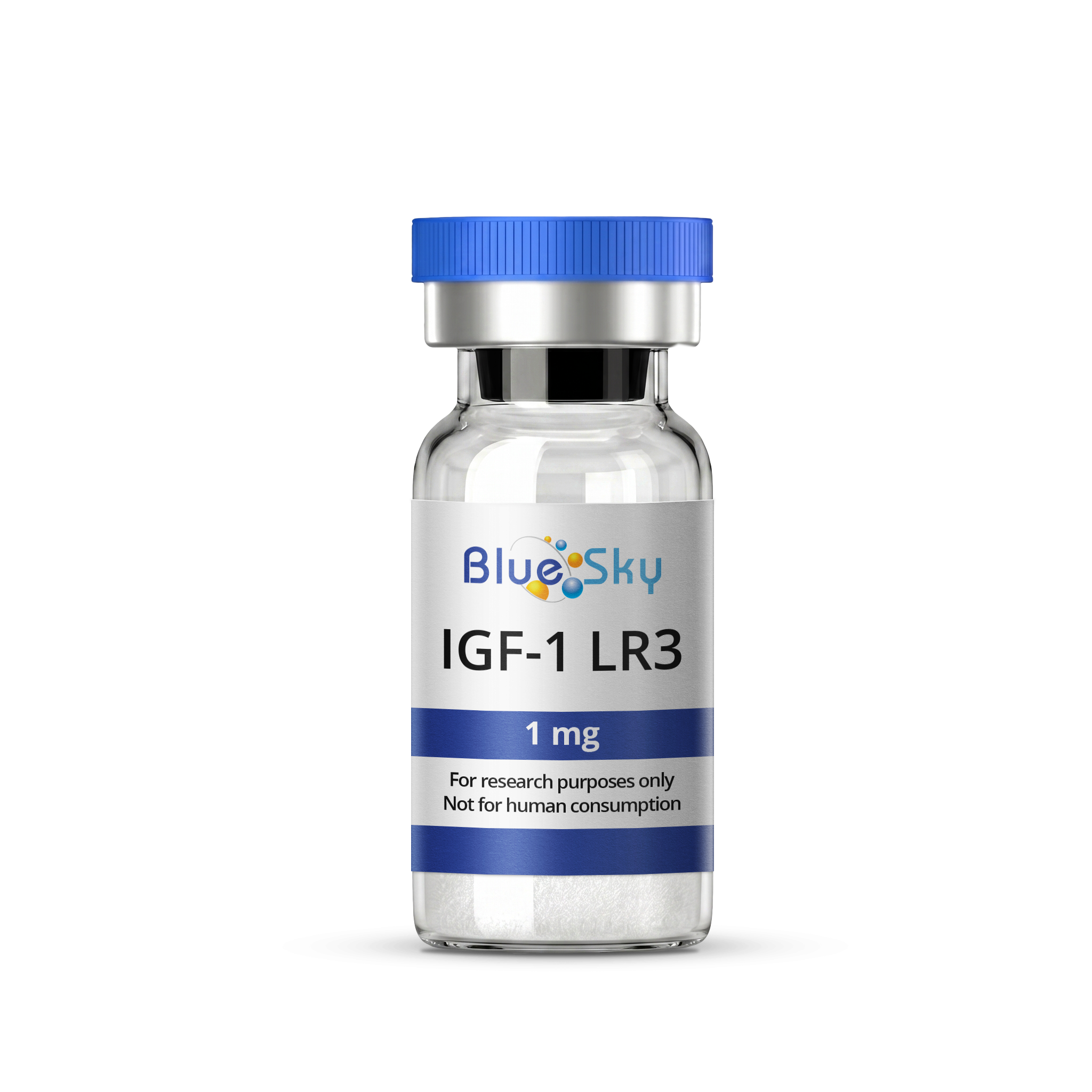
IGF-1 LR3 1mg

- Free Priority Shipping
- Orders over $75



Buy Premium IGF-1 LR3 1mg :
| Unit Size | 1 mg/vial |
| Unit Quantity | 1 vial |
| Purity (Mass Spectrometry & UV) | 99.94% |
| Sequence | MFPAMPLSSL FVNGPRTLCG AELVDALQFV CGDRGFYFNK PTGYGSSSRR APQTGIVDEC CFRSCDLRRL EMYCAPLKPA KSA |
| Molecular Formula | C400H625N111O115S9 |
| Appearance | Lyophilized White Powder |
| Source | Recombinant Synthesis |
| Storage | Lyophilized IGF-1 LR3 is stable at room Temperature for 90 days, however it is best to store in a freezer below - 8c for any extended period of time. |
| Terms | The products we offer are intended for laboratory research use only. Please familiarize yourself with our terms of service prior to ordering. |
IGF-1 LR3 1mg
View Research Overview & References
IGF-1 LR3 is a synthetic peptide studied in in vitro laboratory research. Structurally similar to human insulin-like growth factor 1 (IGF-1), IGF-1 LR3 features specific modifications that alter its interaction with IGF-binding proteins (IGFBPs).
This variant has an extended peptide sequence and replaces glutamic acid with arginine at the third position (R3), adding 13 amino acids to the N-terminus for a total of 83 amino acids compared to the 70 amino acids in standard IGF-1. This product is studied in vitro and is not intended for human use or consumption.
IGF-Binding Protein Interaction Research
IGFBPs are a family of six proteins that regulate IGF-1 activity through both IGF-dependent mechanisms, such as controlling how much IGF-1 is available to bind cell-surface receptors, and IGF-independent mechanisms involving direct interactions at the cell surface or intracellularly.1
IGF-1 LR3's reduced affinity for several IGFBP family members, attributed to its N-terminal extension and arginine substitution, is the basis researchers cite for its increased availability to interact directly with IGF-1 receptors in cell-based laboratory assays, relative to native IGF-1.
Muscle Cell Signaling Research
In vitro studies using C2C12 cells, an established mouse skeletal muscle cell line, examined IGF-1 LR3 alongside small-molecule activin-like kinase 4/5 inhibitors for their effects on muscle cell differentiation.
Both IGF-1 LR3 and the tested inhibitors were found to increase differentiation index and nuclei count in this cell culture system, providing a basis for studying muscle cell differentiation signaling pathways in vitro.2
Structural Basis for Reduced IGFBP Binding
The arginine substitution at position 3 sits within a region of the IGF-1 molecule that native IGFBPs use as part of their binding interface, and researchers studying this substitution have linked the resulting charge and side-chain change to a substantially reduced binding affinity for several IGFBP family members.
Combined with the 13-residue N-terminal extension, which is also thought to sterically interfere with IGFBP engagement, this dual modification is the basis researchers cite for why IGF-1 LR3 remains more available to bind IGF-1 receptors directly in laboratory assay systems compared to native IGF-1.
Analytical Verification for Recombinant Proteins
As a full-length 83-residue recombinant protein rather than a short synthetic peptide, IGF-1 LR3 requires analytical methods suited to larger biomolecules, including SDS-PAGE or size-exclusion chromatography to confirm molecular size and the absence of aggregation or degradation products, alongside mass spectrometry for identity confirmation.
Storage and Handling in the Laboratory Setting
Lyophilized IGF-1 LR3 is stored under sub-zero freezer conditions to preserve structural integrity. Because larger recombinant proteins are more prone to surface adsorption onto labware at low concentrations, researchers working with this peptide in cell culture assays often include a carrier protein, such as bovine serum albumin, in their experimental buffers to minimize losses.
Comparative Research Context Among IGF-1 Analogs
IGF-1 LR3 is frequently studied alongside other reduced-IGFBP-affinity analogs, including des(1-3)IGF-1, which achieves a similar reduction in IGFBP binding through N-terminal truncation rather than extension.
Researchers comparing these analogs to native IGF-1 in in vitro laboratory studies have used differences in IGFBP affinity across the three molecules to isolate IGF-1-receptor-mediated effects from the modulating influence of IGFBPs in cell-based assay systems.
Important Compliance Notice
IGF-1 LR3 is intended for laboratory research use only (in vitro) and is not approved for human, therapeutic, or diagnostic use. Any application outside controlled in vitro research environments is prohibited. Laboratory safety protocols should be followed when handling this peptide to ensure compliance with research standards.
References
1. Mohan S, Baylink DJ. IGF-binding proteins are multifunctional and act via IGF-dependent and -independent mechanisms. J Endocrinol. 2002 Oct;175(1):19-31.
2. Levolger S, Wiemer EAC, van Vugt JLA, et al. Inhibition of activin-like kinase 4/5 attenuates cancer cachexia-associated muscle wasting. Sci Rep. 2019;9:9826.
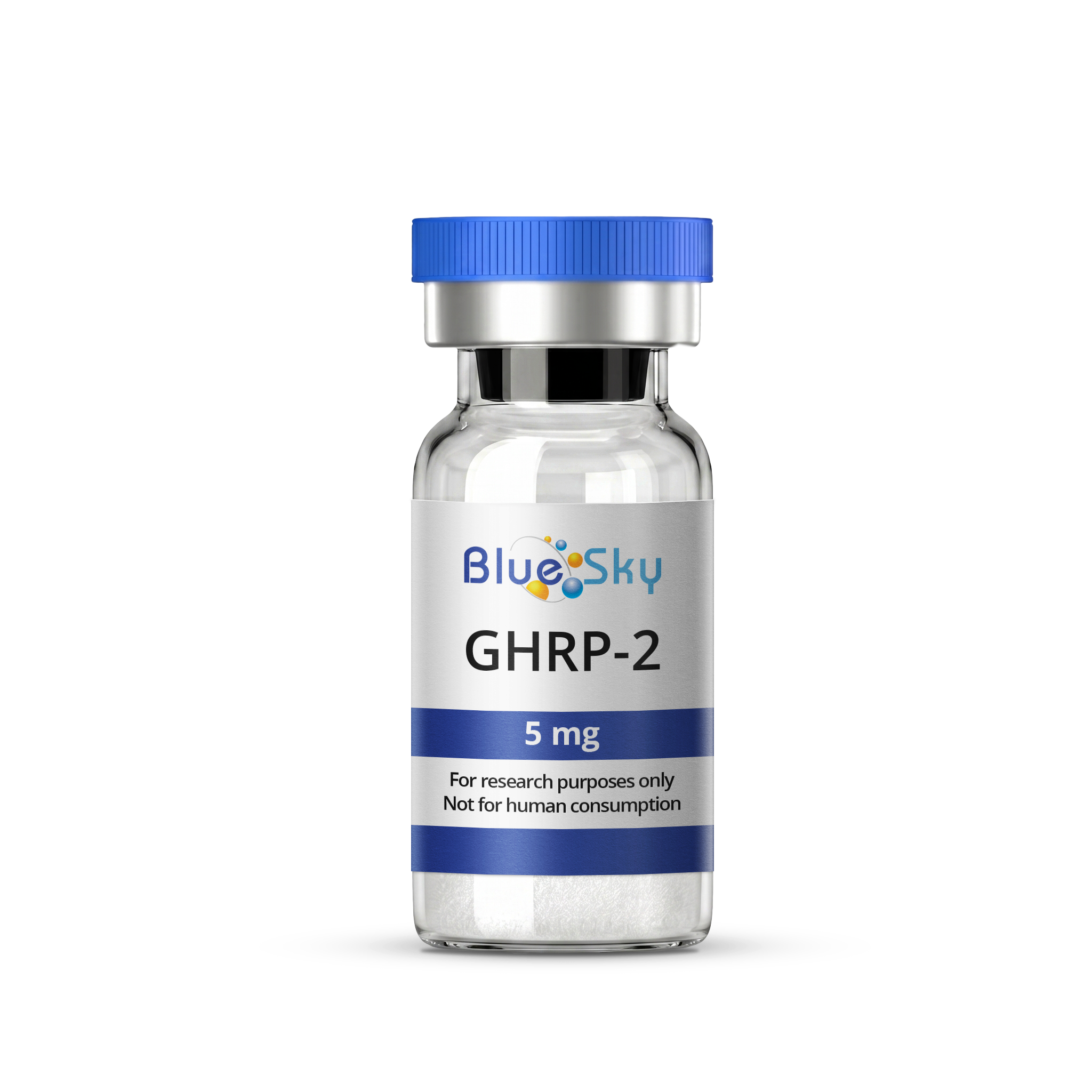 Buy Bulk GHRP-2 5mg$45.95
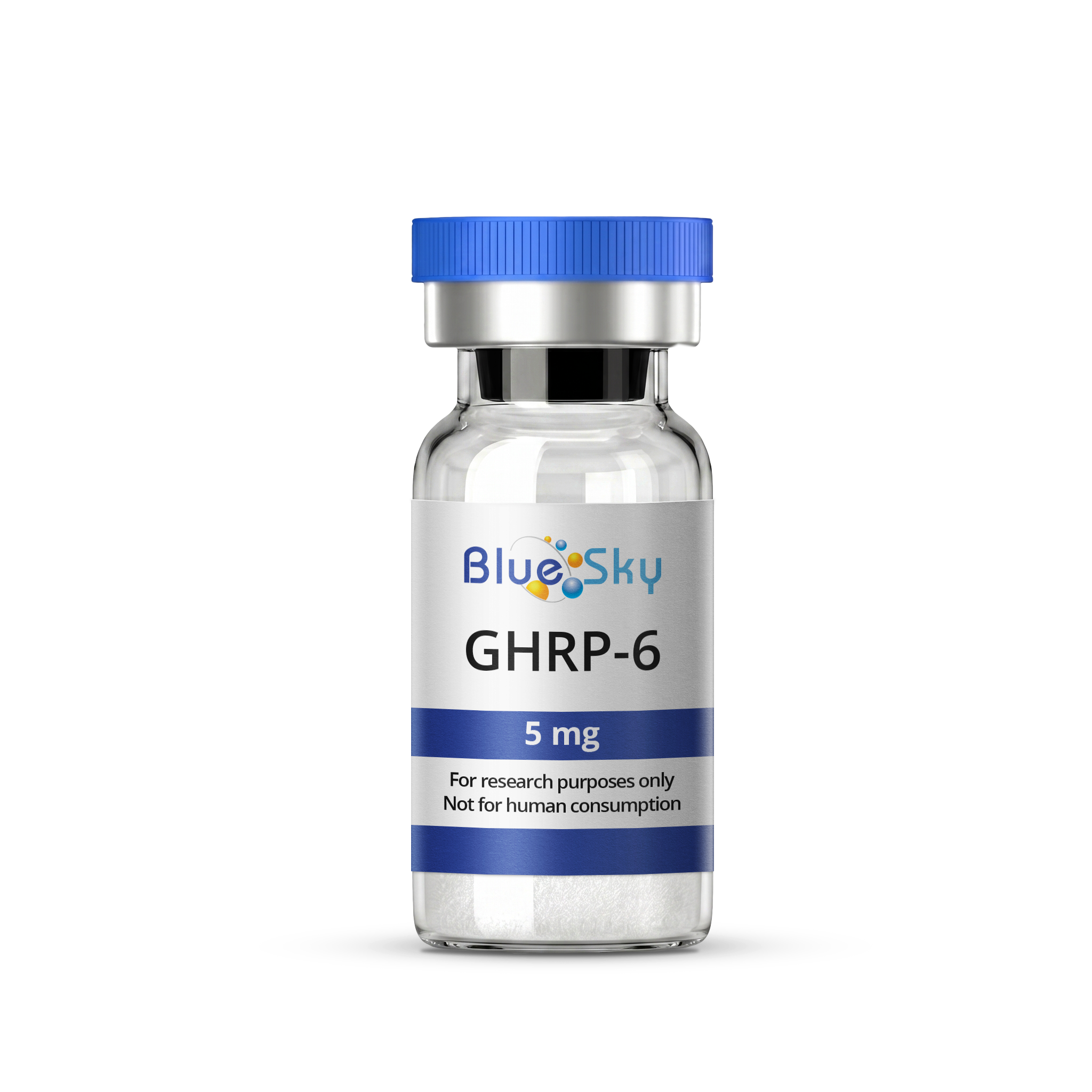 Buy Bulk GHRP-6 5mg$45.95


 Login
Login